全国统一学习专线 8:30-21:00
来源: 上海美高学校 编辑:佚名
自今年初以来,Covid-19新冠肺炎疫情已冲击中国和许多其他国家。在中国,已有超过8.4万人曾被确诊,超过4千人死亡。为了防控疫情,全国采取社会隔离措施,大幅降低了国内和国际的经济、贸易和交通活动。在此期间,我们看到了社会、人性的消极和积极的方面。本文邀请上海美高学校心理组系主任David老师,为大家带来这一课题,与美高师生和家长们一同分享。
The Covid-19 epidemic caused huge impact on China and many other countries since the beginning of year 2020. In China, the virus infected more than 84 thousand people, and took away more than 4 thousand people’s lives. In order the control its spreading, the whole country took the measure of “social distancing,” which significantly reduced domestic and international economy, trade, and transportation. During this incident, we can see both negative and positive sides of the society and humanity. This essay invites students, teachers, and parents to think about them and reflect on our lives in the future.
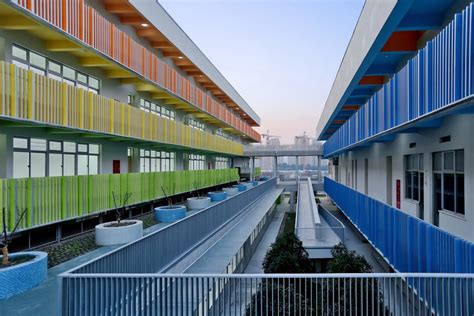
马桥校区
在此介绍四组心理学和社会学概念。它们不止显现在本次疫情,而可能出现在任何一个人的生命、生活受到威胁和破坏的时刻。透过这些概念,我们可反思自己会如何应对类似的灾难性事件。
Here I introduce four opposing pairs of psychological and sociological concepts not only manifested in the epidemic, but could appear at moments when someone’s life is threated or damaged. Using these concepts, we can think about how we would react to catastrophic incidents.
1.创伤与创伤后成长
遭受重大伤害时,人可能会经历“创伤”。受害者的世界观被动摇,无法再相信世界是稳定、有意义、有益处的。他们对事物失去兴趣,无法继续正常的生活。在本次疫情中,许多武汉市民本身罹患了重症,或者失去了挚爱。他们感到无助、无望、失去生命意义。虽然身在上海的我们基本在生命上是安全的,但任何人在承受破坏性事件时都可能经历创伤,例如灾难、战争、破产、失恋、成绩一落千丈等。
但另方面,心理学家发现,部分创伤受害者在创伤后一段时间出现了心灵上的恢复和成长。他们在社会支持下,重新找回生命的意义,重新踏上生活的正轨,心怀感恩,能更加欣赏生活周遭的微小事物,他们在逆境中更加有韧性。许多传统哲学和宗教都认为,苦难可以使人成长、获得更高的智慧(但不能因此就认为苦难是应当的、可欲的事物)。
1. Trauma vs. Post-traumatic Growth
When people suffered from huge, shocking damage, they might experience trauma. Their worldview is shattered. They no longer believe that the world is stable, meaningful, and beneficial. They lose interest in anything. They cannot continue normal life. During this epidemic, many people in Wuhan city lost their loved ones, or even experienced the painful disease themselves. They felt hopeless and that life is not meaningful anymore. Although people in Shanghai were basically safe and did not experience trauma, we might experience it in any devastating moment (e.g., disaster, war, bankruptcy, breaking up with a lover, getting low GPA).
On the other hand, psychologists found that a proportion of traumatized individuals experience recovery and growth after the trauma. With social support, those individuals find the meaning of life again and can resume normal routine. They feel gratitude and appreciate tiny things around them. They become more robust and resilient toward difficulties in life. This mechanism can be found in many philosophical and religious traditions (ex. Confucianism, Hinduism, Christianity), which states that suffering makes people grow more mature and gain wisdom (but we cannot say that suffering is desirable).
2. 分隔与凝聚
在疫情初期的社会隔离政策下,人们被迫与他人分隔以自保。同时,我们也感受到恐惧和孤寂的情绪。首先,我们害怕与周围的人靠近。记得在二、三月的时候,当我出去扔垃圾或去超市购物,感觉随时都有感染病毒的风险,担心邻居或街上任何人可能带着病毒。然而另方面,人们又需要社会互动来获得日常生活和工作中的情感能量,缺乏社会交往使得我们感到孤独和脆弱。
幸亏有媒体和互联网的媒介,我们得以在疫情期间关心全国各地的人们,那些我们以往并不关注的人们。我们所有人都遵守社会隔离的规定,以确保生命安全为共同目标。彼此分离的个体心灵,通过共同的目标和一致的行为而凝聚在一起,就成为一个“想象的共同体”。
2. Separation vs. Solidarity
Under the policy of social distancing, people are forced to stay separated from each other, in order to protect themselves. Behind this physical separation, we can also feel the emotion of fear and loneliness. Firstly, we fear of people around us and do not dare to come close to them. I remember that in February and March, when I went out to throw garbage or do grocery shopping, I felt I was running a risk of getting fatal disease from neighbors or anyone on the street. Secondly, people need social interaction to gain emotional energy for daily life and work. Lack of social contact makes us feel lonely and weak.
However, thanks to the media and internet, during the epidemic period, we care about people around the country, whom we do not quite care about before. We all follow the rule of social distancing to serve a common goal, which is to secure our lives. The separated individual’s minds are connected together and become an “imagined community,” by means of shared goals and concerted behaviors.
3. 利己与利他
疫情爆发后不久,一些人选择逃离武汉,奔向其他城市,以避免呆在武汉被隔离和感染,以求自保,但同时产生了将病毒传播给外界的风险。另一方面,来自全国各地的许多医务工作者前往武汉提供帮助,同时冒着被感染的风险。这两种反应分别代表着利己和利他。这是一场人性的挣扎,如果您处于那种情况下,将做何决定呢?
3. Egoism vs. Altruism
Shortly after the outbreak of the epidemic, some people from Wuhan tried to escape to other cities, in order to avoid being quarantined and getting infected in Wuhan. They wanted to protect themselves, but at the same time ran the risk of disseminating the virus to outside people. On the other hand, many workers of medical professions from around the country went to Wuhan to offer help, while running the risk of getting infected. These two responses express egoism and altruism respectively. This is a struggle of humanity. What would you do if you were in those situations?
4.污名与怜悯
由于这场流行病,武汉市民遭到污名化。他们被批评吃野生动物,他们在其他城市受到不尊重的待遇。这些做法不能解决问题,只会增加他们的创伤。相反,我们可以选择“怜悯”,即同情地理解别人的痛苦,并采取行动帮助他们减轻痛苦。社会上每个人随时都可能遭受某种痛苦,我们需要相互扶持,才能生存和复原。
4. Stigmatization vs. Compassion
Because of the epidemic, Wuhan citizens bear stigma upon them. They were criticized of eating wild animals. They were treated with disrespect in other cities. These could not solve problem but only increase trauma inside them. On the contrary, we could choose “compassion,” that is, to understand other people’s suffering, and act out to alleviate the suffering. We should pay compassion to the suffered ones, because all of us might confront with certain suffering at any moment, and we need support from each other, to survive and revive.
5.脆弱性和韧性
脆弱性是“在灾害冲击下受到损伤的程度”;韧性则是“应对灾害并恢复原状的能力。”不同社会位置的人群,其脆弱性程度不同。通常,贫穷、教育程度低、老年和少数族裔的人群在灾害中受损较严重。这在此次疫情中得到印证。
本次疫情对不同产业的打击也存在很大差异。旅游业、航空业、餐饮和住宿行业受到严重打击;反之,互联网媒介和外卖业则呈现兴盛。能采用远距工作模式的岗位,受损相对较小。在危机面前,企业需要快速反应,采用新颖的措施和政策来维持生存。有能者甚至可找到新的利基和转机,使自己成长和兴盛。
5. Vulnerability vs. resilience
Vulnerability is “the inability to withstand the effects of a hostile environment.” Resilience is “the ability to cope with a crisis or to return to pre-crisis status quickly.” People on different social positions have different level of vulnerability and resilience. In general, poor, under-educated, aged, minority people suffered more when facing harmful events. It is proved in this pandemic.
The impact of the pandemic on different industries also varied much. Tourism, aviation, dining and lodging suppliers were severely damaged; while business of internet media and delivery rose up. Jobs able to use remote working system were more robust than others. Facing the crisis, corporates need to respond quickly, by means of innovative measures and policies, to maintain its survival. More capable ones can even find out new niches or opportunities for them to grow and thrive.
总结本文,上面这些概念可帮助我们理解当前疫情下,人类社会所蕴含的多元、分歧、甚至矛盾的面向。我们遭到打击,但依然可以站起来;我们失去了意义,但可以重新获得意义;我们因脆弱而受伤,但可以重获力量;我们被分隔,但随后仍然凝聚在一起。大家可以思考,在面对灾难时自己会以何种方式去感受、思考和行动。这样的思考非常必要,因为人的生命充满了无法预测的风险、意外和困难,我们必须在亲身受到冲击之前做好准备,及时应对,找到适合自己的出路和转机。
The concepts above can help us understand the multiple, ambiguous, and even contradictory sides of the society under the current epidemic. We were beaten but can stand up. We lost meaning but can still regain it. We were weak but can gain strength. We are separated and then reunited. We can think about in what ways we would feel, think, and behave when we suffer from devastating situation. This practice is helpful since life is full of unpredictable risks, accidents, and difficulties. We need to prepare ourselves to able to find out ways of survival and opportunity whenever real disasters impact upon us.
上海美高学校报名、参加入学测试及校园开放日,请: ,或通过下方报名通道登记。